|
|
Laura K. Inamedinova is a marketing agency CEO from Lithuania who started early with ICOs, a journey that has led her to launch UkrainianPool, an initial staking pool offering raising money for the Ukrainian government.
Inamedinova got into ICOs right out of university in 2016 and is shy to mention the name of the first crypto fundraising project she worked for. “There were definitely not only bad projects, but you didn’t know at that time,” she explains, referring to the early days of the industry. “You didn’t know that anything was off at the time,” she says with a chuckle.
Inamedinova’s early plunge into the industry may not have met with success, but after a number of more successful projects such as Waves and CoinGate, her experience has led to a most interesting development: a humanitarian fundraiser in collaboration with the Ukrainian government.

UkrainianPool is a Cardano staking pool that works by allowing anyone to deposit Cardano into the pool, which grows at 5% per year, according to Cardano’s staking rewards schedule. Inamedinova explains that this form of charitable support is effectively risk-free because staked tokens can be un-staked at any time and never leave the owner’s wallet. Inamedinova explains:
Every five days, accumulated rewards get passed on to the Ukrainian government’s wallet.
The project became possible after Inamedinova, who was close to a DeFi project that incorporated the ISPO strategy, came to the realization that the staking pools could be used for charity. She shared the idea with Nadiia Dvoinos, a serial entrepreneur who used to run Quadrate 28 — an in-house marketing firm for startups. Inamedinova met her on her first visit to Dubai and describes Dvoinos as a mentor.
Dvoinos got in touch with her former business partner Valeriya Ionan, who now serves as Ukraine’s deputy minister for eurointegration at the Ministry of Digital Transformation. A zoom call was arranged with various government figures on March 8, and UkrainianPool went live soon after.
Only 10 days after the call, Ukrainian Deputy Minister of Digital Transformation Alex Bornyakov explained the project to The New York Times:
Participants do not need to directly donate assets to raise money. Instead, they ‘stake’ their funds temporarily, which generates high-interest yields that are transferred to a wallet owned by our ministry.
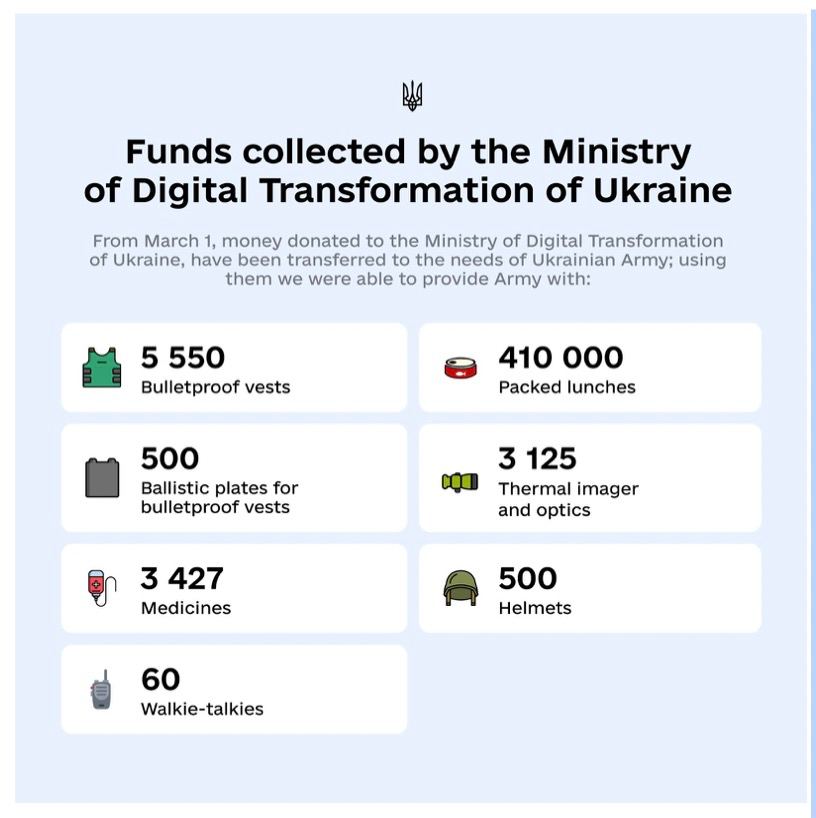
He added that the pool’s goal is to raise $10 million “for humanitarian efforts” — things such as food, medicine and protective equipment, including helmets and ballistic vests, according to other publications by the ministry.
“As far as I know, this is the first charitable project using the ISPO model,” Inamedinova notes, referring to an initial staking pool offering.
LKI Consulting
Inamedinova runs LKI Consulting, which has a team of 10 staff members distributed across Europe. “We have two Ukrainians; we just hired a refugee,” she notes.
The company represents Inamedinova’s return to the blockchain marketing niche. As we meet in Dubai’s Marina Mall in an office overlooking a yacht club, she recounts a meeting she just left. “I had to sit through the whole hour to be polite, though I knew within five minutes that it wasn’t going to work — these guys don’t even know what they are building,” she laments regarding her prospective clients.
“The industry sucked me in without me even planning that,” Inamedinova recounts regarding her return to the blockchain industry in 2020 after having previously left behind the glamorous life of an initial coin offering consultant in the 2016–2017 bull market.