|
|
Everything that happened in crypto news in Asia over the past seven days: Asia Express.
In this issue
- South Korea’s chaebols invade crypto
- South Korea’s first memecoin rug-pull case
- Terra’s shadow catches up with Hodlnaut
- HTX battles UK sanctions allegations
- Japan pushes crypto ETFs and yen stablecoins
- Binance Philippines return rumors were real
- China’s top court moves to define crypto and AI cases
- Vietnam eyes crypto-backed loans for small businesses
South Korea’s chaebols invade crypto
South Korea’s biggest financial firms (family run versions are known colloquially as “chaebols”) are racing to lock in stakes in the country’s crypto exchanges ahead of new stablecoin and tokenization rules.
Samsung affiliates agreed to acquire a combined 4% stake in Upbit operator Dunamu for about $408 million, while Korea Investment & Securities and OKX Ventures plan to buy a 19.6% stake in Coinone for $106 million.
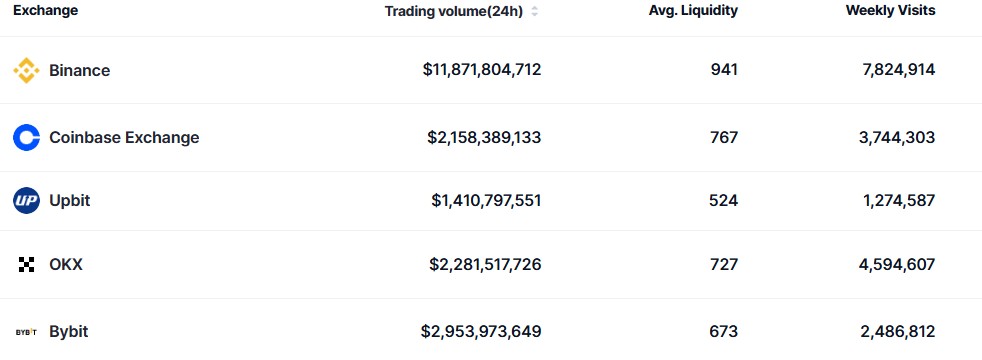
The investments deepen ties between traditional finance firms and South Korea’s tightly regulated crypto industry, where licensed exchanges are in high demand.
South Korea passed amendments in January creating a legal framework for onchain securities. Regulators and lawmakers continue discussing stablecoin rules.
South Korea’s first memecoin rug-pull case
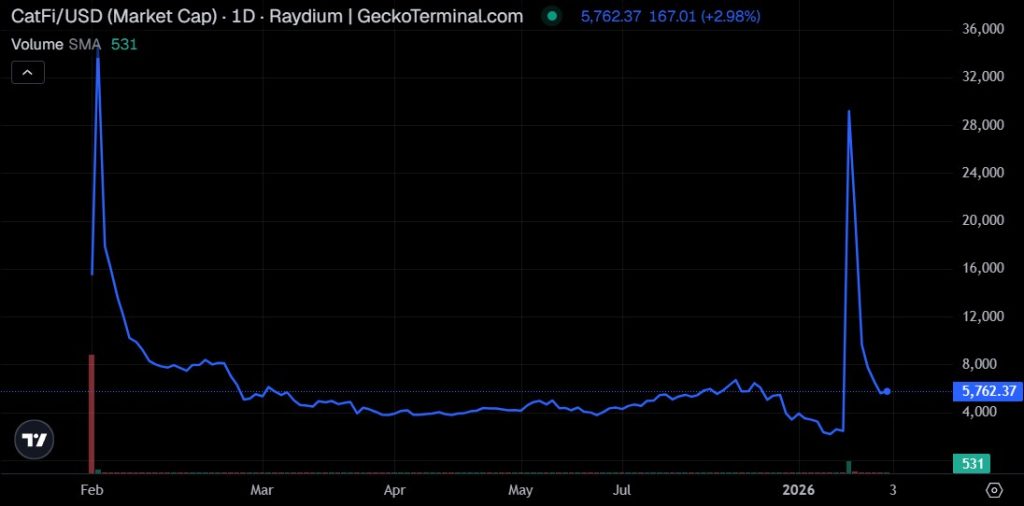
South Korean prosecutors have charged a group over an alleged Solana memecoin rug pull in what local media described as the country’s first decentralized exchnage rug-pull prosecution under crypto law.
Prosecutors allege the group promoted the CATFI memecoin on social media, drove the token’s price up more than 1,000-fold and dumped their holdings for roughly 400 million won ($260,000) in profit.
The scheme allegedly caused about 900 million won ($599,000) in losses to at least 256 investors.
The suspects were charged under South Korea’s Virtual Asset User Protection Act, which took effect in July 2024.
Terra’s shadow catches up with Hodlnaut
Former Hodlnaut CEO Zhu Juntao has been charged in Singapore with fraud over statements tied to the 2022 collapse of the Terra ecosystem.
Singapore police allege Zhu directed employees to falsely claim that crypto lender Hodlnaut did not have direct exposure to TerraUSD (UST) and had not suffered losses from the crash.
Authorities said the misleading statements were allegedly shared through Telegram messages, emails to users and posts on Zhu’s personal X account.
The Terra ecosystem collapsed in May 2022 after its algorithmic stablecoin UST lost its dollar peg, wiping out nearly $50 billion in market value and contributing to the downfall of several crypto lenders.
HTX battles UK sanctions allegations
UK authorities have sanctioned crypto exchange HTX over allegations it helped Russia move funds through a shadow financial network, adding fresh pressure on one of Asia’s largest trading platforms.
The sanctions targeted Huobi Global S.A., the Panamanian entity behind HTX, over alleged links to A7 and other sanctioned Russian financial infrastructure.
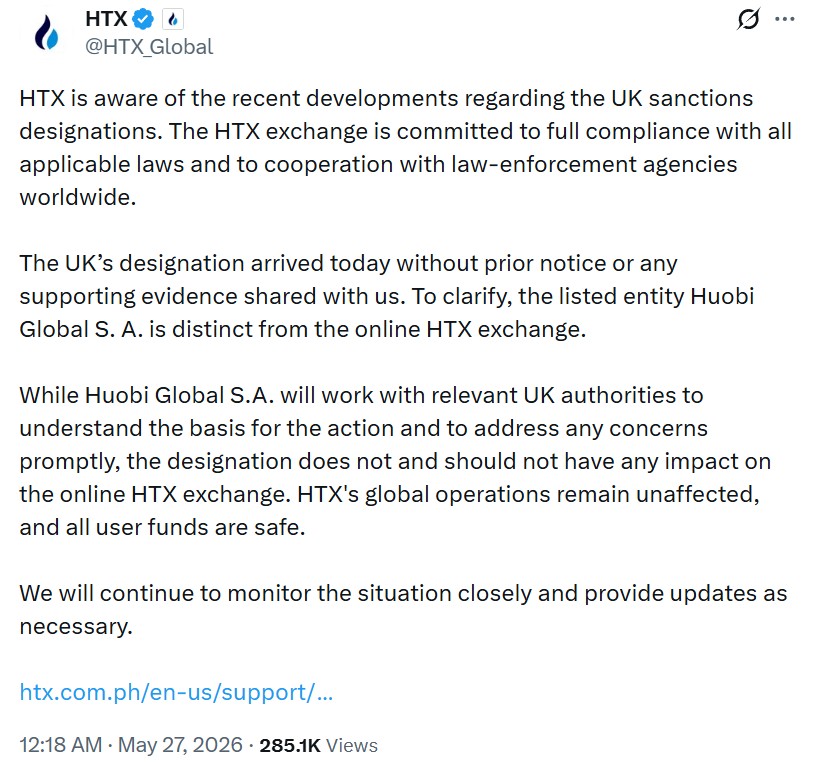
A spokesperson for HTX told Cointelegraph that it disputes the accuracy of the blockchain attributions cited in the reports and said the firm plans to challenge the designation.
Formerly known as Huobi, HTX was founded in China before relocating overseas after Beijing’s crypto crackdown.
Japan pushes crypto ETFs and yen stablecoins
Japan’s ruling party lawmakers are pushing for crypto-linked exchange-traded funds (ETFs) and wider adoption of yen-denominated stablecoins.
A group within the Liberal Democratic Party submitted recommendations Monday calling for a framework for crypto ETFs, along with looser rules for retail crypto derivatives trading.
The proposals also urged Japan to accelerate the development of yen-backed stablecoins as part of a broader push to expand blockchain finance across Asia.
Finance Minister Satsuki Katayama said in her New Year speech that crypto assets in the US were increasingly being used through ETFs as inflation hedges and that Japan “must also pursue advanced fintech initiatives.”
Binance Philippines return rumors were real
Binance is attempting a return to the Philippines through a partnership tied to the country’s regulatory sandbox framework.
Philippine regulators previously restricted access to Binance over licensing concerns.

The exchange said fintech firm BlockShoals Technologies will act as its local intermediary under the Philippine Securities and Exchange Commission’s StratBox program, while Binance provides technology and compliance support.
Filipino crypto influencer Coach Miranda Miner previously claimed Binance was preparing a stealth relaunch in the country through a local entity before later softening those remarks.
China’s top court moves to define crypto and AI cases
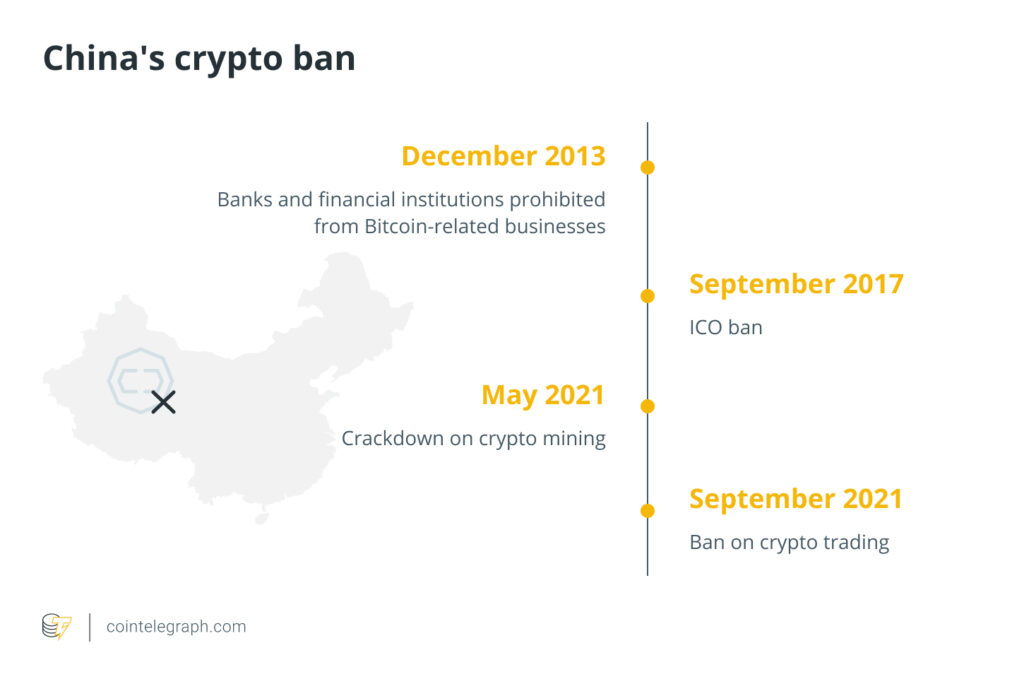
China’s Supreme People’s Court said it is studying new judicial rules for cases involving crypto and cross-border finance.
Judicial Committee member Liu Guixiang said the court would research adjudication rules for cryptocurrency cases and draft judicial interpretations related to insider trading and market manipulation.
The court also plans to develop legal standards for disputes tied to artificial intelligence, data ownership and AI-generated content.
China continues to maintain a blanket ban on crypto trading and mining while promoting its central bank digital currency, digital yuan.
Vietnam eyes crypto-backed loans for small businesses
Vietnam is considering allowing small businesses to use digital assets and intellectual property as collateral for bank loans.
A draft amendment proposed by the Ministry of Finance would let small and medium-sized enterprises pledge crypto, software, patents and other intangible assets to secure financing.
According to the Ministry of Finance, many startups and small businesses are unable to qualify for bank loans because they lack traditional collateral.
Vietnam is preparing to launch its first regulated crypto market, with authorities expecting initial licensed trading platform activity to begin as early as the third quarter of 2026.